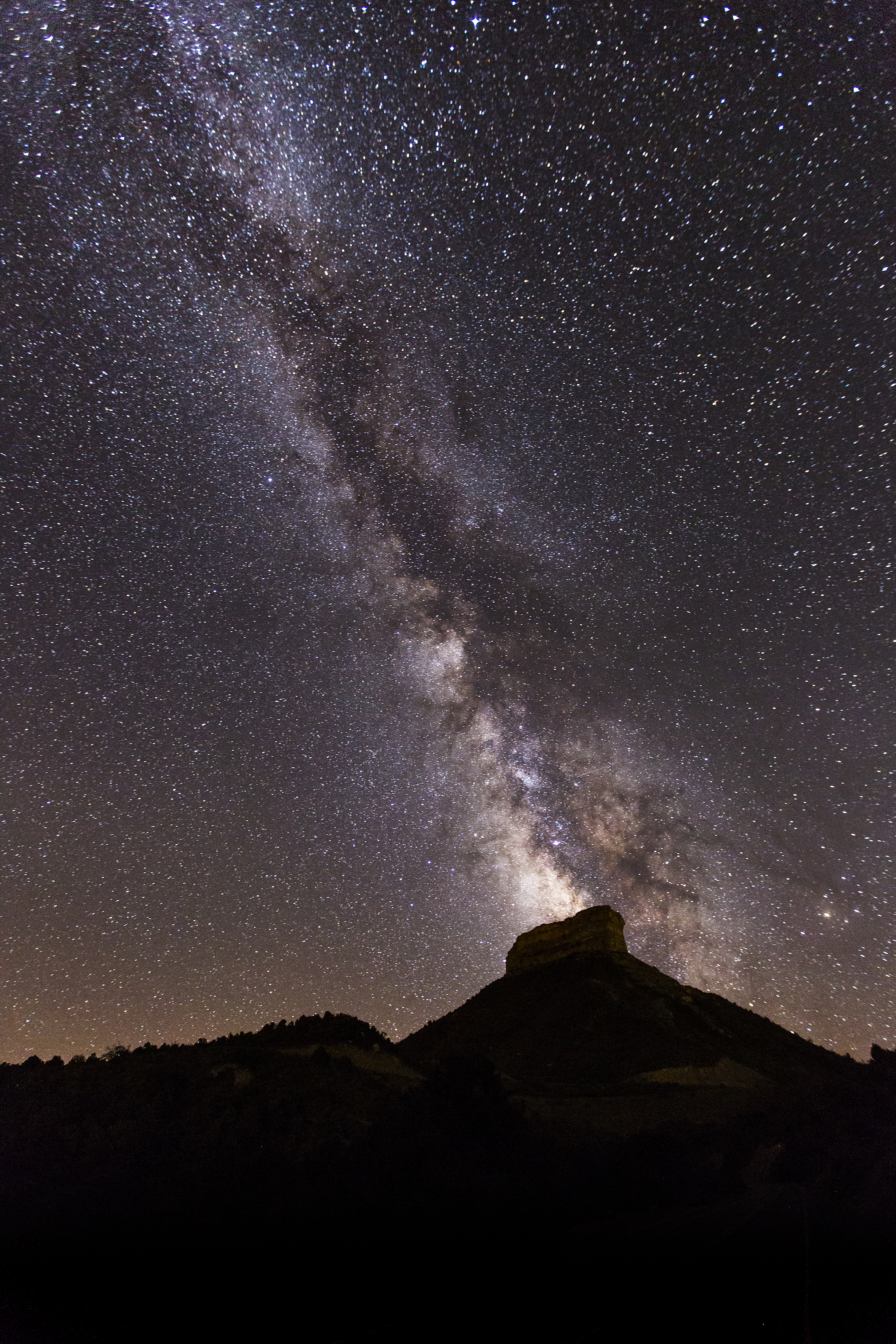
The National Park Service tells night visitors to check current conditions and plan the trip before heading out. That matters in Colorado because a park can remain open while a visitor center, road, overlook, trail or gate follows a different schedule.[2]
Allowed
Use this label when the relevant observing area is normally available at night under its current rules. It does not mean every road, trail or facility at the destination is open, and temporary weather, fire or maintenance closures still override the guide.[3]
Great Sand Dunes is a useful example: NPS lists the park as open 24 hours, while individual facilities and seasonal services have their own schedules.[3]
Conditional
Use this when nighttime access depends on a condition such as a campground reservation, scheduled program, permit, seasonal gate or a specific portion of the property remaining open.[4]
NPS trip-planning guidance says to check the park website for closures, hazards and other current conditions before a visit. The same rule applies to state parks, forests, private venues and other managed land.[4]
Not allowed
Use this when the relevant area closes at night or nighttime use is prohibited. A Dark Sky designation or public ownership does not cancel a posted closure.[5]
Hovenweep is a good example of why the exact area matters: its archaeological trails close at sunset even though visitors can experience the night sky from areas that remain available under monument rules.[5]
Check first
Use this when the current source is too vague to promise legal nighttime access. Open the managing agency or property owner's page before making the drive rather than treating an old event listing, map pin or tourism description as permission.[6]
The official Colorado Stargazing Trail is best used as a statewide starting point; the current land manager remains the final source for the exact place and night you intend to visit.[6]
One destination can have several answers
A visitor center can close while a campground remains open. A road can remain passable while a day-use overlook closes. Parking, trails, campgrounds and ranger programs can all operate on different schedules.[7]
For that reason, this guide assigns the access label to the recommended observing area, not to the entire park or region.[7]
Sources
- [1]
Photo: National Park Service, Jacob W. Frank / NPS, Where to Stargaze — nps.gov/subjects/nightskies/stargaze.htm
- [2]
National Park Service, Find Your Park After Dark — nps.gov/articles/find-your-park-after-dark.htm
- [3]
National Park Service, Great Sand Dunes, Operating Hours & Seasons — nps.gov/grsa/planyourvisit/hours.htm
- [4]
National Park Service, Trip Planning Guide — nps.gov/subjects/healthandsafety/trip-planning-guide.htm
- [5]
National Park Service, Hovenweep National Monument, Stargazing — nps.gov/hove/planyourvisit/stargazing.htm
- [6]
Colorado Tourism Office, Colorado Stargazing Trail™ — colorado.com/colorado-stargazing-trail
- [7]
National Park Service, Plan Like a Park Ranger: Top 10 Tips for Visiting in 2026 — nps.gov/articles/000/plan-like-a-park-ranger.htm